
Preventive dentistry procedures are essential for both children and adults, and dental sealants are one of the most cost-effective preventive measures offered by modern dentistry. In this article, we debunk common misconceptions about dental sealants to help you make an informed choice of whether or not you will benefit from the procedure.
Common Misconceptions About Dental Sealants
Dental sealants coat the chewing surfaces of the teeth (typically molars and premolars) and fill pits and grooves to prevent plaque and bacteria from accumulating there. As a result, dental sealants are an effective cavity prevention measure. However, dental sealants are typically only used on teeth free of cavities and dental fillings and can not treat decay.
Dental sealants are typically made of two main types of materials:
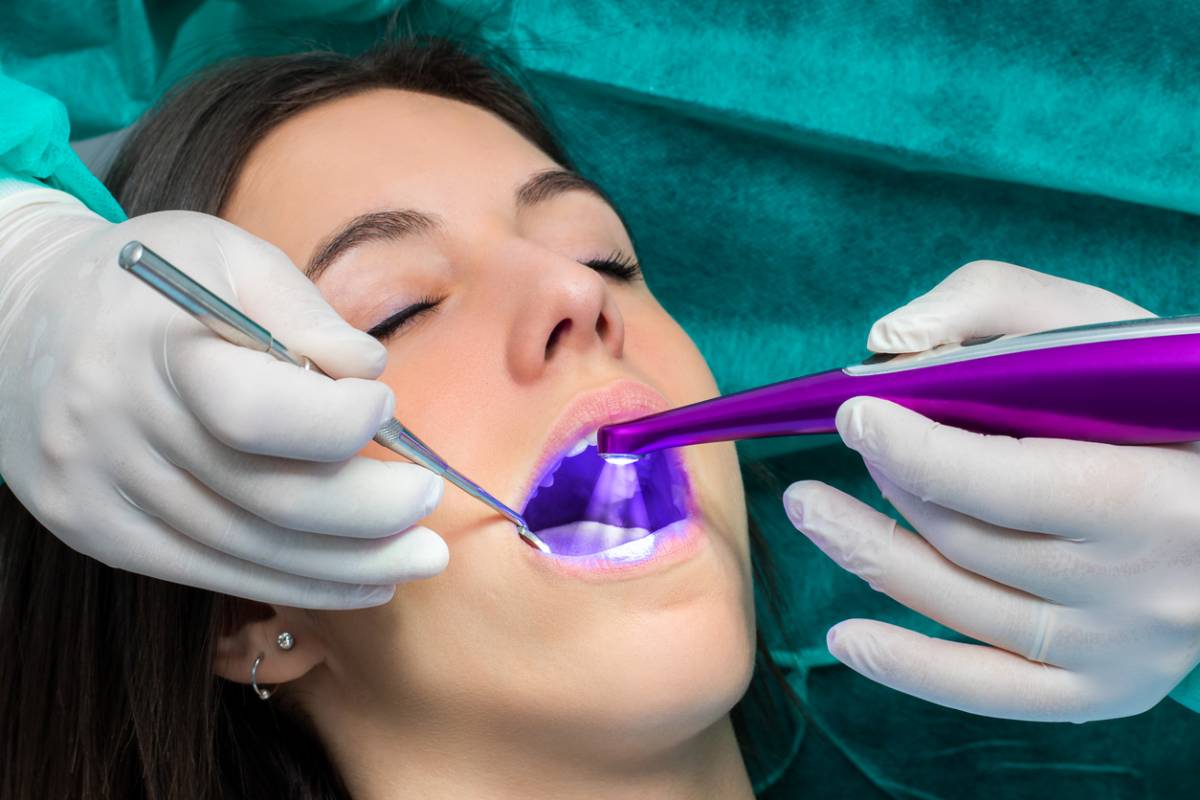
- Resin composite provides a strong bond to tooth enamel and reliable protection for deep pits and grooves. It is the same material that is used in dental fillings. It is applied to the teeth in liquid-like form and hardened with a special light.
- Glass ionomer, a combination of glass particles and organic acids, provides adequate protection but is typically less durable than resin composite and tends to wear out faster.
Below, we discuss the most common misconceptions about dental sealants.
Misconception 1: Only Children Benefit from Dental Sealants
Indeed, dental sealants are often recommended for children and teenagers, especially if there are oral hygiene concerns and the newly erupted teeth require additional protection.
However, adults can benefit from dental sealants too, particularly when you have naturally weaker, more prone-to-cavities enamel, very deep pits and grooves in the teeth, wear orthodontic appliances, or have dry mouth concerns.
Misconception 2: Dental Sealants Require Frequent Replacement
In fact, in most cases, resin composite dental sealants last just as long as fillings, 5 to 7 years. Glass ionomer sealants tend to last for up to 5 years, which also corresponds with glass ionomer dental fillings. On top of that, worn-out sealants are easy to replace without damaging the tooth structure in the process.
Misconception 3: Dental Sealants Can Trap Bacteria and Cause Cavities
Dental sealants can trap bacteria and cause cavities only if they are applied incorrectly. If an experienced, reputable doctor performs the procedure, the tooth is thoroughly cleaned and dried before the sealant is applied. As a result, sealants effectively protect your teeth from bacterial impact and cavities and never cause new decay.
Misconception 4: Dental Sealants Are Not Worth the Expense
In fact, dental sealants are one of the most cost-effective dental procedures. To begin with, sealants cost 30 to 60 dollars per tooth, which is even cheaper than a traditional dental filling. Also, sealants can help you avoid more expensive, complex treatments for tooth decay, such as root canal therapy and crowns, in the future.
Additionally, many dental insurance policies cover the cost of dental sealants for children, teenagers, and, in some cases, adults.
Misconception 5: Dental Sealants Are Unnecessary if Your Oral Hygiene Is Good
As we mentioned before, molars and premolars can have very deep, narrow grooves that trap plaque and bacteria. Even if you are very diligent about your oral hygiene routine, it might be challenging to clean these teeth effectively. Sealants work together with brushing and flossing and provide extra protection in areas most vulnerable to decay.
Get Dental Sealants at Dental Care of Pomona
If you or your child requires dental sealants, do not hesitate to make an appointment with a reliable general dentist at Dental Care of Pomona today. Specialists at our office strive to help each patient preserve and improve their oral health. We are looking forward to your visit.